Fifty thousand industrial accidents occur annually in the U.S. due to uncontrolled energy release—most preventable with one system: lockout tagout (LOTO) safety procedures. These protocols are not bureaucratic checkboxes. They’re life-preserving sequences that isolate machinery from its energy sources before service or maintenance. When done correctly, LOTO stops motors from spinning, circuits from surging, and pressure vessels from rupturing—safeguarding lives in environments where a single oversight can lead to amputation, electrocution, or death.
Yet, misconceptions persist. Some workers skip steps when "it’s just a quick fix." Others assume a powered-off machine is safe. Neither is true. Residual energy, stored hydraulic pressure, or a colleague’s mistaken restart can turn routine maintenance into a catastrophe. This guide dismantles those myths with field-tested procedures, compliance essentials, and practical implementation strategies.
What Exactly Are Lockout Tagout Safety Procedures?
At its core, lockout tagout safety procedures are a formalized method to disable machinery or equipment to prevent unexpected energization, startup, or release of stored energy during servicing.
Lockout involves placing a physical lock on an energy-isolating device (like a circuit breaker or valve), ensuring only the authorized employee who applied the lock can remove it. Tagout uses a warning tag attached to the same device, indicating the equipment is unsafe to operate. Tags alone are less secure than locks but are sometimes permitted when a lock can’t be used.
These procedures are mandated under OSHA 29 CFR 1910.147—the Control of Hazardous Energy standard. The rule applies to any equipment with electrical, mechanical, hydraulic, pneumatic, chemical, or thermal energy that could harm employees during maintenance.
Real-World Example: A maintenance technician needs to clear a jam in a conveyor belt. Before reaching in, they must shut down the system, isolate the motor from its power source using a disconnect switch, apply their personal lock and tag, and verify zero energy before beginning work. No exceptions.
The 6 Critical Steps in LOTO Safety Procedures
A standardized sequence is essential. Deviations compromise safety. OSHA outlines a six-step process—followed by safety leaders across manufacturing, utilities, and processing plants.
#### 1. Prepare for Shutdown Before touching machinery, authorized employees must identify all energy sources: main power, backup batteries, springs, elevated parts, pressurized lines, etc. A site-specific energy control plan should document this.
Common Mistake: Assuming the main power switch controls all energy. Many machines have secondary sources (e.g., pneumatic accumulators) that remain pressurized even after shutdown.
#### 2. Notify Affected Personnel Warn all employees who operate or work near the equipment that servicing is about to begin. This prevents accidental attempts to restart.
Workflow Tip: Use a log or digital notification system to confirm all team members are aware—especially across shift changes.
#### 3. Shut Down the Equipment Use normal stopping procedures: press the emergency stop, flip the disconnect, or close valves. This must be done intentionally and confirmed.
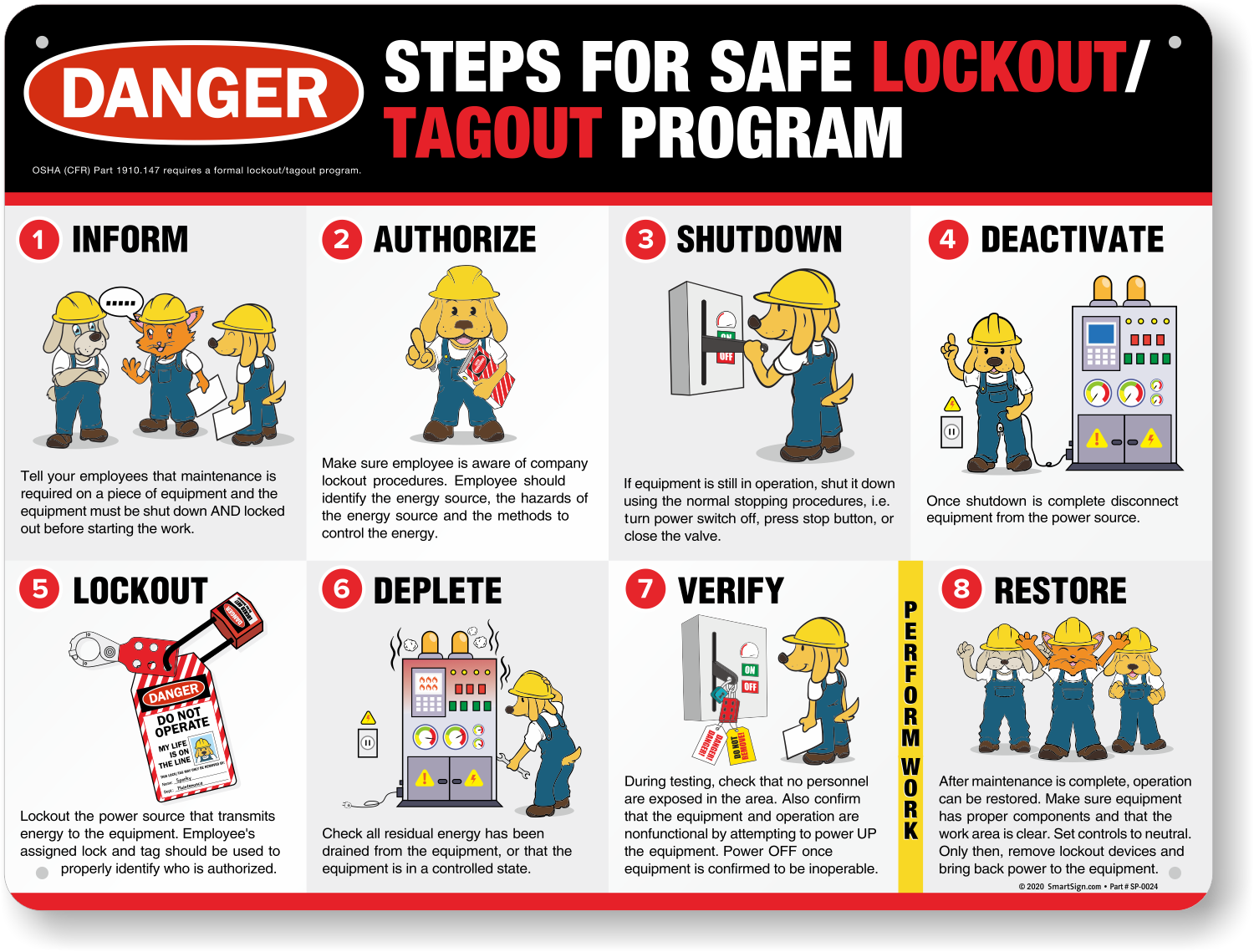
#### 4. Isolate Energy Sources Physically disconnect or block each energy source. Examples: - Locking out a circuit breaker with a hasp and lock - Closing and locking a steam valve - Blocking a raised machine part with a mechanical support
Pro Insight: Use group lockout boxes when multiple workers service one machine. Each technician applies their lock to the box, which holds the single master lock controlling the energy source.
#### 5. Apply Locks and Tags Attach your personal lock and a tag with your name, department, date, and reason for lockout. Tags must be durable, legible, and non-reusable.
Limitation: Tags can be ignored. That’s why lockout devices are preferred. Tags should always accompany locks, never replace them unless engineering controls don’t allow locks.
#### 6. Verify Isolation (The Zero-Energy Check) This is the most overlooked yet vital step. After locking out, attempt to restart the machine using normal controls. This proves it can’t energize. Also, check for residual energy using voltage testers, pressure gauges, or bleed valves.
Critical Rule: Never assume. Always test.
Who Is Responsible? Roles in LOTO Procedures
Clear roles prevent confusion and blame during emergencies.
- Authorized Employee: Trained personnel who implement LOTO. They physically lock out equipment and perform servicing. Only they can remove their locks.
- Affected Employee: Operators who use the machine but don’t service it. They must understand LOTO’s purpose and never attempt to restart locked-out equipment.
- Supervisor: Ensures procedures are followed, provides training, and audits compliance.
Training Requirement: OSHA mandates initial and annual retraining. Training must include hands-on practice, not just classroom sessions.
Realistic Use Case: At a food processing plant, a supervisor notices a technician attempting to bypass a lockout because “the lock wasn’t working.” The supervisor halts work, replaces the defective lock, and schedules refresher training for the team—preventing a near-miss.
Common LOTO Violations and How to Avoid Them
Even seasoned teams make mistakes. These are the most frequent OSHA-cited LOTO failures:
| Violation | Risk | Prevention |
|---|---|---|
| Skipping the verification step | Machine unexpectedly starts | Test every time—no exceptions |
| Using master or shared locks | Unauthorized removal possible | Personal locks only |
| Incomplete energy source identification | Hidden energy releases | Update equipment-specific procedures |
| Tag-only systems without locks | Tags easily removed | Use lockout where feasible |
| Poor communication during shift changes | New workers unaware of LOTO | Use logbooks or digital alerts |
Pro Tip: Conduct unannounced LOTO audits. Have safety officers observe maintenance tasks and score compliance. Anonymous reporting systems also help uncover gaps.
Equipment-Specific Lockout Challenges
Not all machines are lockout-friendly. Older systems may lack standardized disconnects. Hydraulic presses store energy in accumulators. Robotic arms can reset automatically.
Solutions in Practice:
- Older Machinery: Install lockable disconnect switches or retrofit isolation points. Document modifications in the energy control plan.
- Stored Energy: Bleed hydraulic lines, block suspended parts, or wait for capacitors to discharge.
- Group Maintenance: Use a lockout hasp or group lockbox. Each worker applies their lock. Work cannot resume until all are removed.
Example: A paper mill uses large rollers with residual kinetic energy. Their LOTO procedure includes a mandatory 15-minute cooldown period, plus verification with a non-contact sensor before lock application.
LOTO Procedure Templates and Documentation

Compliance isn’t just action—it’s paperwork. OSHA requires a written energy control program that includes:
- Machine-specific LOTO procedures
- List of authorized and affected employees
- Training records
- Periodic inspections (at least annually)
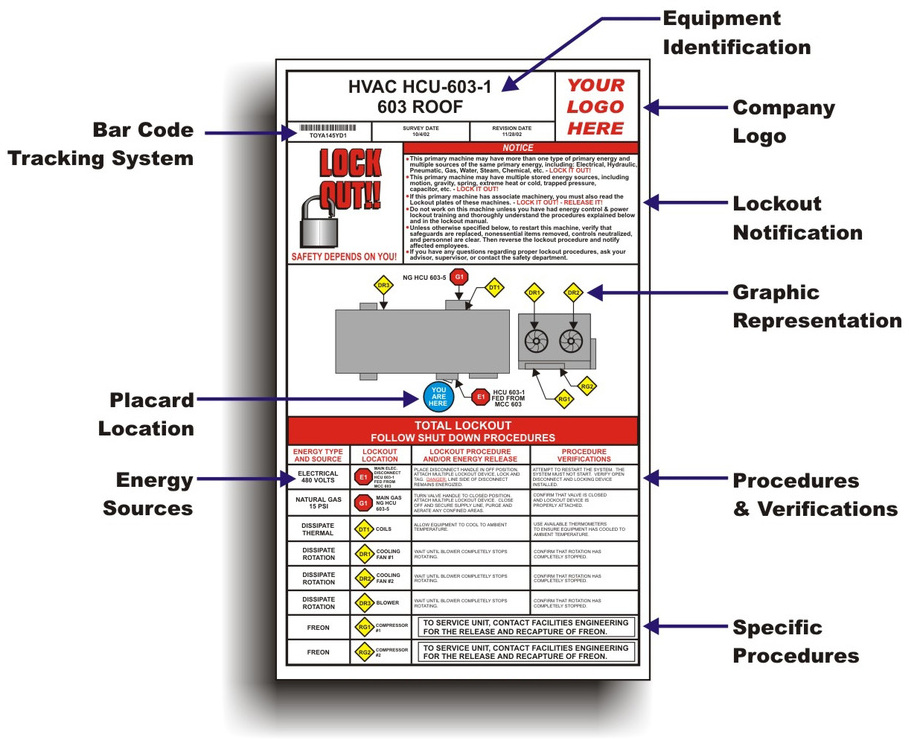
Each machine or process should have a documented procedure detailing: - Type and magnitude of energy - Steps to isolate and lock out - Location of lockout devices - Verification method
Editorial Insight: Templates save time but aren’t one-size-fits-all. A procedure for a CNC lathe won’t work for a boiler. Customize rigorously.
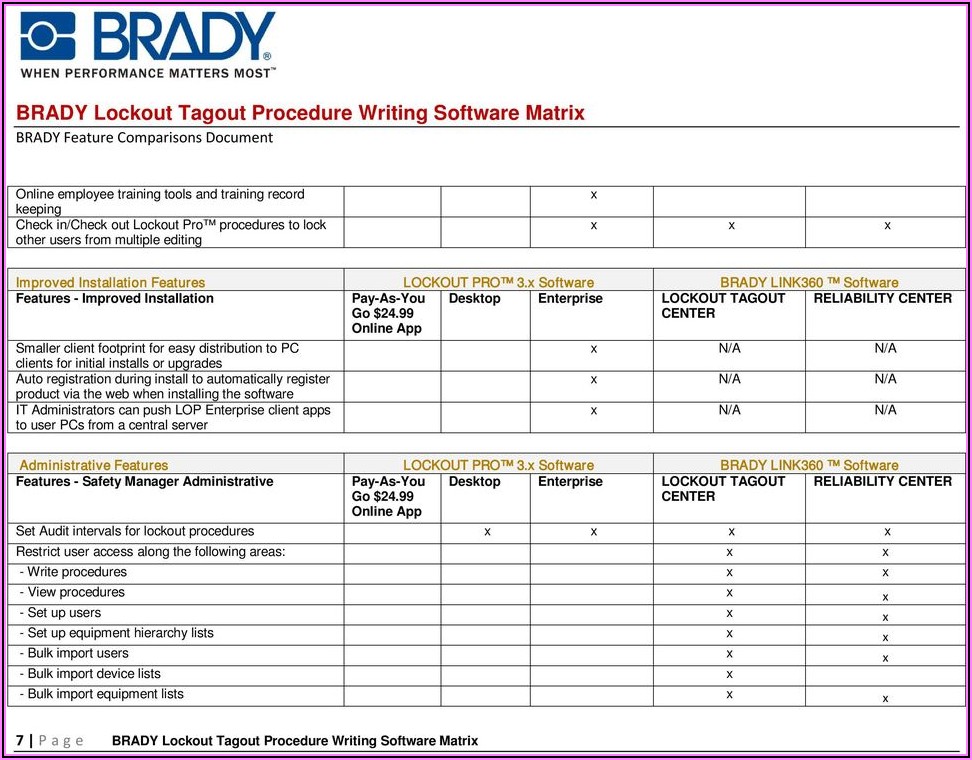
Many companies use digital LOTO management platforms to store, update, and distribute procedures—reducing reliance on paper binders in dusty facilities.
The Human Factor: Why LOTO Fails Even
with Rules
You can have perfect procedures and still face non-compliance. Why?
- Time Pressure: Workers bypass LOTO to meet production targets.
- Overconfidence: “I’ve done this 100 times” leads to complacency.
- Lack of Ownership: Shared locks or unclear accountability.
Culture Fix: Safety must be incentivized. Recognition programs for perfect LOTO compliance, leadership walkthroughs, and peer accountability improve adherence more than penalties.
One automotive plant reduced LOTO violations by 72% in six months by introducing “safety champions”—employees who mentor peers and report concerns without fear of retaliation.
Building a Sustainable LOTO Program
A checklist isn’t enough. Sustainable LOTO programs integrate into daily operations:
- Leadership Commitment: Executives must visibly support safety—attending trainings, reviewing audits.
- Employee Involvement: Involve technicians in writing procedures. They know machinery best.
- Regular Audits: Inspect 10% of LOTO applications monthly. Review all annually.
- Continuous Improvement: Update procedures after incidents, near-misses, or equipment changes.
Workflow Integration: Link LOTO steps to work order systems. A maintenance request shouldn’t progress until LOTO is confirmed.
LOTO safety procedures aren’t just regulatory hurdles—they’re ethical imperatives. Every lock applied, every tag read, every zero-energy check performed is a deliberate act of protection. Start with accurate documentation, enforce consistent training, and cultivate a culture where skipping a step is as unacceptable as ignoring a fire alarm. Your team’s safety depends on it.
FAQ
What is the first step in lockout tagout procedures? The first step is preparing for shutdown by identifying all energy sources and reviewing the machine-specific energy control procedure.
Can tagout be used instead of lockout? Tagout alone is allowed only if a lock can’t be applied, but it requires additional safety measures since tags are less secure than locks.
Who can remove a lockout device? Only the authorized employee who applied the lock may remove it, ensuring personal accountability.
How often should LOTO procedures be inspected? OSHA requires periodic inspections at least annually, covering both the written procedures and employee adherence.
What qualifies someone as an authorized employee for LOTO? An authorized employee has completed formal training, understands energy hazards, and is responsible for implementing lockout procedures.
Do LOTO procedures apply to corded portable tools? Yes, if the tool is being serviced and could be energized unexpectedly. Unplugging and locking the outlet or disconnect is required.
What is a group lockout procedure? It’s a method where multiple workers place their personal locks on a single hasp or lockbox controlling an energy source, ensuring all must agree before restart.
FAQ
What should you look for in Lockout Tagout Safety Procedures: A Complete Guide to Compliance? Focus on relevance, practical value, and how well the solution matches real user intent.
Is Lockout Tagout Safety Procedures: A Complete Guide to Compliance suitable for beginners? That depends on the workflow, but a clear step-by-step approach usually makes it easier to start.
How do you compare options around Lockout Tagout Safety Procedures: A Complete Guide to Compliance? Compare features, trust signals, limitations, pricing, and ease of implementation.
What mistakes should you avoid? Avoid generic choices, weak validation, and decisions based only on marketing claims.
What is the next best step? Shortlist the most relevant options, validate them quickly, and refine from real-world results.