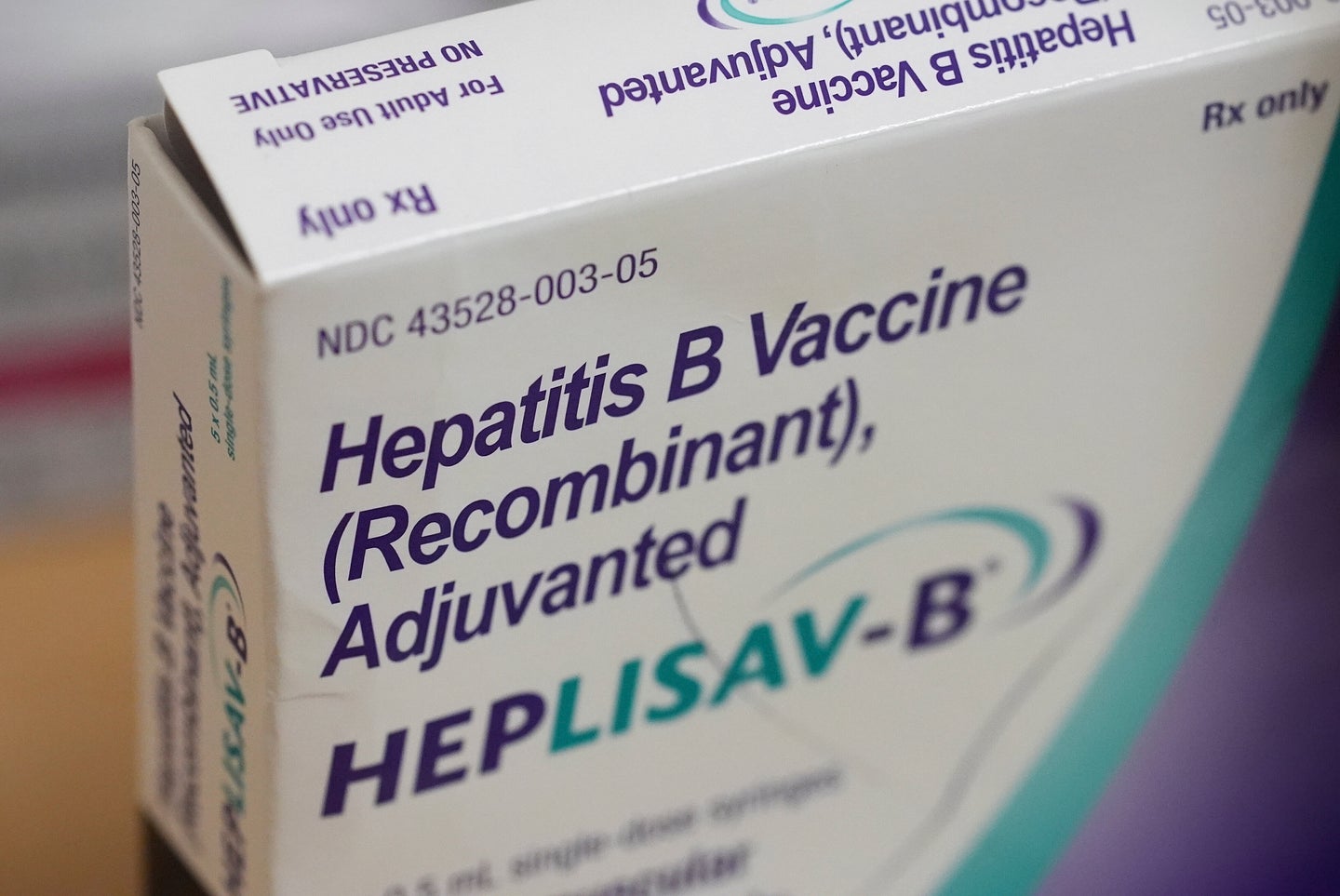
A growing body of evidence suggests that delaying the first dose of the hepatitis B vaccine in infants—particularly beyond the first 24 hours of life—could significantly increase the risk of infection. The CDC currently recommends administering the first dose of the hepatitis B vaccine within 24 hours of birth, a strategy proven to prevent mother-to-child transmission. Yet, in some hospitals and regions, implementation gaps and medical exemptions are leading to delays. Recent studies show these delays may come at a cost: preventable hepatitis B cases in newborns.
This isn’t a theoretical concern. Hepatitis B is highly infectious, and infants born to infected mothers are at a 90% risk of developing chronic infection if not protected immediately. Without prompt vaccination, these children face lifelong complications including liver cirrhosis and cancer. The data is clear: timely vaccination saves lives—and delays endanger them.
Why Timing Matters: The 24-Hour Window
The first 24 hours of life are critical in preventing perinatal hepatitis B transmission. When a newborn receives the hepatitis B vaccine within this window—especially if the mother is known to be infected—the risk of developing chronic hepatitis B drops dramatically. The CDC’s Advisory Committee on Immunization Practices (ACIP) has long emphasized this timing, supported by decades of clinical evidence.
How the Vaccine Works in Newborns
The hepatitis B vaccine stimulates the infant’s immune system to produce antibodies against the virus. Administered at birth, it acts as a first line of defense while the infant is most vulnerable. In cases where the mother is hepatitis B surface antigen (HBsAg) positive, the CDC also recommends administering hepatitis B immune globulin (HBIG) alongside the vaccine within 12 hours.
Studies show that when both the vaccine and HBIG are given correctly and on time, protection rates exceed 90%. But when either is delayed—particularly the vaccine—the effectiveness plummets. A 2023 study published in Pediatrics found that delaying the vaccine by just 48 to 72 hours reduced protection by up to 30% in high-risk infants.
Real-World Consequences of Delay
In Louisiana, a 2022 public health review revealed that only 68% of newborns received the birth dose within 24 hours, despite state mandates. In some rural hospitals, the rate dropped below 50%. During the same period, the state saw a 17% rise in perinally acquired hepatitis B cases—a spike health officials directly linked to vaccination delays.
Similarly, in California, hospital policy changes during staffing shortages led to temporary deferrals of birth-dose vaccines. Follow-up tracking showed increased breakthrough infections among infants whose mothers were unaware of their hepatitis B status—highlighting how even asymptomatic carriers can transmit the virus without timely intervention.
Factors Behind the Delay
Despite clear guidelines, multiple factors contribute to missed or delayed hepatitis B vaccinations at birth.
Hospital Workflow and Staffing Challenges
In busy delivery wards, vaccine administration can fall through the cracks. Nurses may prioritize immediate newborn stabilization over vaccination, especially in cesarean or preterm births. In some facilities, the hepatitis B vaccine isn’t stocked in labor and delivery units, requiring pharmacy coordination that introduces delays.

A survey of 120 U.S. hospitals found that institutions without standing orders for the birth dose were 3.5 times more likely to miss the 24-hour window. Standing orders—pre-approved protocols allowing nurses to administer vaccines without individual physician approval—have been shown to improve compliance significantly.
Parental Hesitancy and Misinformation
Some parents decline the birth dose due to concerns about vaccine safety, perceived low risk, or misinformation. Common myths include the belief that hepatitis B is only transmitted through intravenous drug use or unprotected sex—leading parents to assume their newborn isn’t at risk.
But vertical transmission (from mother to child) is a primary route in high-prevalence populations. Many infected mothers are asymptomatic and unaware of their status until prenatal screening. Delaying vaccination based on perceived low risk is a dangerous gamble.
Gaps in Prenatal Screening
Although hepatitis B screening is standard during pregnancy, not all women receive it—particularly those with limited prenatal care. Without a confirmed maternal status, hospitals may defer the birth dose “pending results,” creating unnecessary delays.
In one Texas hospital, nearly 15% of births involved mothers with incomplete hepatitis B screening. Of those, only 40% received the vaccine within 24 hours. When follow-up testing later confirmed infection in three mothers, two of their infants had already missed the optimal window for HBIG and vaccine co-administration.
Evidence Linking Delay to Increased Infection Rates
Multiple peer-reviewed studies have established a direct correlation between delayed hepatitis B vaccination and higher infection rates in infants.
Key Findings from Recent Research
- A 2021 Journal of the Pediatric Infectious Diseases Society analysis of 4,200 births found that infants vaccinated after 48 hours were 2.6 times more likely to acquire hepatitis B if their mothers were infected.
- A CDC-led study across seven states reported that facilities achieving >90% on-time birth-dose coverage had hepatitis B transmission rates below 1%. Those below 70% compliance saw rates climb to 6%.
- A modeling study from Johns Hopkins estimated that a nationwide delay of just 48 hours could lead to approximately 400 additional chronic hepatitis B infections annually in U.S. newborns.
These numbers aren’t abstract—they represent real children facing lifelong health burdens. Chronic hepatitis B requires ongoing monitoring, antiviral therapy, and carries a 25% mortality rate from liver disease if untreated.
The Role of Policy and Healthcare Systems
While individual decisions matter, systemic factors play a larger role in determining vaccination timeliness. States with strong mandates, provider education, and hospital accountability see better outcomes.
States Leading the Way
- New York requires the birth dose for hospital discharge, resulting in 94% on-time administration.
- Oregon ties Medicaid reimbursement to birth-dose compliance, driving coverage above 90%.
- Florida uses real-time electronic alerts to flag infants at risk, reducing delays by 52% in pilot hospitals.
These models show that policy interventions—not persuasion alone—drive change.
Insurance and Financial Barriers
Although the hepatitis B vaccine is covered under the Vaccines for Children (VFC) program, some hospitals still cite billing concerns as a reason for delay. In private-pay cases, staff may wait for insurance authorization before administering the shot.
However, CDC guidance explicitly states that no child should be denied the birth dose due to payment issues. The vaccine should be given first, questions later. Hospitals that adopt this “vaccinate first” protocol see fewer delays and better compliance.
What Parents and Providers Can Do

Preventing hepatitis B in infants requires coordination between expectant parents, prenatal providers, and delivery teams.
For Expectant Parents
- Get screened: Ensure you’re tested for hepatitis B during early pregnancy. If you’re at higher risk (e.g., born in a high-prevalence country), ask for retesting in the third trimester.
- Ask early: During your hospital tour, ask about their birth-dose policy. A clear answer suggests preparedness.
- Consent in advance: Some hospitals allow prenatal consent for the birth dose, preventing last-minute hesitation.
For Healthcare Providers
- Implement standing orders: Remove unnecessary barriers by authorizing nurses to administer the vaccine at birth.
- Educate families proactively: Discuss the birth dose during prenatal visits, not in the delivery room.
- Audit your rates: Track your facility’s on-time administration and identify bottlenecks.
One Colorado OB-GYN practice reduced delays by 75% simply by adding a hepatitis B vaccine checklist to their prenatal templates—proof that small changes yield big results.
The Cost of Inaction
Delaying the infant hepatitis B vaccine may seem like a minor deviation from protocol. But in public health, small gaps create large consequences. Each missed dose increases the odds of chronic infection, long-term liver damage, and future transmission.
Moreover, treating chronic hepatitis B is expensive. Lifetime medical costs per patient exceed $200,000, including antivirals, ultrasounds, and potential transplants. Preventing a single case through timely vaccination saves the healthcare system tens of thousands of dollars.
Beyond economics, there’s a moral imperative: protecting the most vulnerable. Newborns cannot advocate for themselves. It’s on healthcare systems and parents to act decisively.
Act Now: Protect Every Newborn
The science is unambiguous: the hepatitis B birth dose must be given within 24 hours to maximize protection. Delays, even by a day or two, reduce effectiveness and increase infection risk. Hospitals must prioritize workflow improvements and standing orders. Parents should demand timely vaccination as a standard of care.
This isn’t about fear—it’s about facts. With over 880,000 people in the U.S. living with chronic hepatitis B, prevention at birth is our strongest tool. Don’t let a preventable infection take root because of a missed dose.
Ensure your hospital administers the hepatitis B vaccine at birth. Ask the questions. Hold the system accountable. Every newborn deserves that first shot—on time.
FAQ
Why is the hepatitis B vaccine given at birth? It prevents mother-to-child transmission, which can lead to chronic infection in 90% of untreated infants.
Can a baby get hepatitis B from the mother during birth? Yes—this is called perinatal transmission and is the most common way infants contract the virus.
What if the mother doesn’t know her hepatitis B status? The CDC recommends giving the birth dose to all newborns, regardless of maternal status, because screening isn’t always complete.
Does delaying the vaccine reduce its effectiveness? Yes—delays, especially beyond 24–48 hours, significantly lower protection, particularly in high-risk infants.
Is the hepatitis B vaccine safe for newborns? Extensive research shows it’s safe and well-tolerated, with no link to autism or long-term harm.
What happens if a baby contracts hepatitis B? They’re likely to develop chronic infection, requiring lifelong monitoring and increasing risk of liver disease.
How can hospitals improve on-time vaccination rates? By using standing orders, staff education, real-time alerts, and integrating vaccination into standard birth protocols.
FAQ
What should you look for in CDC Delay of Infant Hepatitis B Shot May Increase Infections? Focus on relevance, practical value, and how well the solution matches real user intent.
Is CDC Delay of Infant Hepatitis B Shot May Increase Infections suitable for beginners? That depends on the workflow, but a clear step-by-step approach usually makes it easier to start.
How do you compare options around CDC Delay of Infant Hepatitis B Shot May Increase Infections? Compare features, trust signals, limitations, pricing, and ease of implementation.
What mistakes should you avoid? Avoid generic choices, weak validation, and decisions based only on marketing claims.
What is the next best step? Shortlist the most relevant options, validate them quickly, and refine from real-world results.